Unlocking conversations during lockdown

What’s the most dangerous thing about self-isolation[1]? The quiet moments. In Japanese, to stare vacantly into the distance is called boketto. In Boro, asusu means to feel unknown and uneasy in a new place – though we never thought it would apply to our own homes. In English, rubatosis means an unsettling awareness of your own heartbeat. Unless your mental strength gauge is through the roof, maybe don’t look up the Czech word lítost[2].

The point is, distractions are useful and indeed necessary. We need the loud to go stop us from going insane in the quiet moments. So Disney+ could hardly have launched at a better time. Nintendo’s Ring Fit Adventure gamified home exercise and made it fun. And clearly everyone is only pretending nothing makes them feel less self-conscious than a video call – US retailer Walmart is reporting a surge in sales of clothes that cover the top half of the body[3].

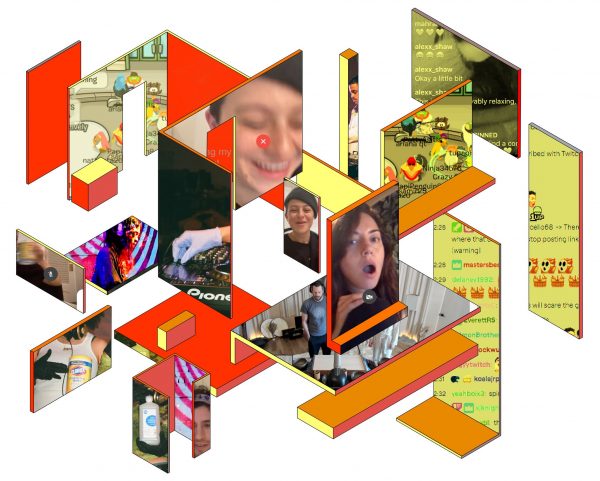
For this edition of abstracts, we wanted to focus on the ways that we’re all staying connected throughout this surreal period. That’s what our Read of the Week, from the New York Times, is all about. If content is the ultimate distraction from the everyday, perhaps these innovative bridges between people could inspire a part of your next proposal.

Continue reading
Standard

Social networks live up to their name

Where else to begin but with COVID-19? It’s almost surprising that we’re not issuing this post over video call[1].

As we grow accustomed to this strange era, our main worry is that our vitamin D might only come through glass panes for the foreseeable future. Or that YouTube’s reducing its standard video quality to cope with the extreme usage. Or that maybe our exercise apps will send another judgmental notification. Or we’ll emerge from this situation with depleted leg muscles, like a returning astronaut.

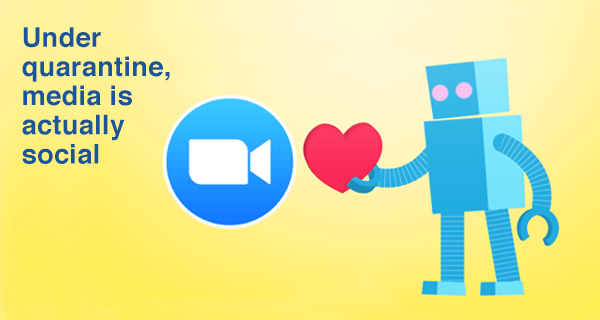
But even though I don’t see real humans anymore and feel like I’m hallucinating the disembodied heads of our colleagues on our screens, I know there’s a lot of people having a tougher time. And fortunately, social media has never felt as social as it does right now[2]. That’s what our Read of the Week is about – TechCrunch explains how we’re all staying connected.

Continue reading
Standard
ROTW 17032020 Insider - the best coronavirus memes

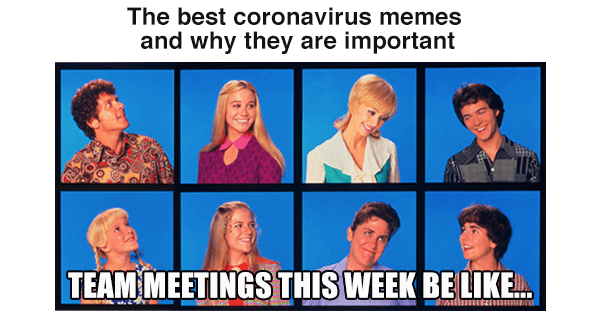
Why we need memes during COVID-19

Please forgive the gap between posts. I was on holiday.

Some weeks, my work in content seems more important than others.

This is a time where it’s easy to question the value of any role that isn’t directly making a difference. I am not a doctor or a politician.

Actually, content is far from trivial as a world self-isolates from a contagious virus – and if anything, could prove a distracting relief from the world.

You may want to bear that in mind if you’ve found yourself constantly refreshing your social feeds, addicted to the relentless escalation of bad news.

And this is probably where our Read of the Week from Insider comes in especially handy.

The very best Covid-19 memes provide a valuable tonic to the doom and gloom that’s dominating our conversations right now.

Humour particularly can provide a light in the darkness in tricky moments[1].

Our role is sometimes to put a smile on people’s faces.

Maybe – in the right circumstances – we can bear that in mind when proposing content to brands.

End[2]

Continue reading
Standard
GQ Rise of the Instagram curator

The rise of the Instagram curator

When we say the influencer industry is in its infancy, we’re not talking about the rise of extremely young internet celebrities[1]. This is a specialism that is still figuring out its collective identity, one that appears on the cusp of revolution as well as evolution. That forms the basis for our Read of the Week from GQ, which describes how another type of influencer has emerged – the curator.

So maybe this is all healthy development for the influencer industry. We might gasp at surveys that indicate children consider YouTuber to be a greater career aspiration than an astronaut, but the truth is there aren’t loads of outer space opportunities out there[2]. Perhaps they’re just calculating the odds.

Continue reading
Standard
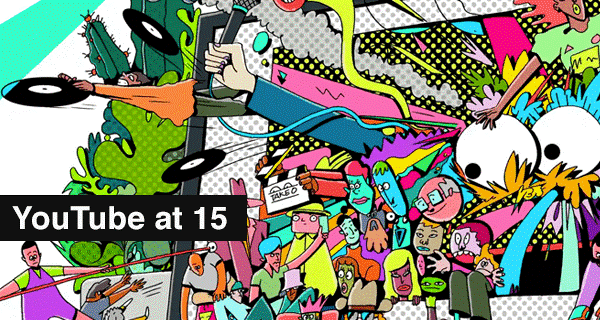
The Guardian YouTube at 15

Celebrating YouTube’s 15th birthday

Valentine’s Day isn’t a holiday for everyone. For every schmaltzy couple holding hands across the table instead of eating in restaurants, there’s someone cursing how disastrously relatable Bridget Jones seems to have become.

Look. I’m not sure how Jawed Karim, Chad Hurley or Steve Chen feel about everyone’s favourite Hallmark date, but on February 14th 2005 they were at least feeling unromantic enough to be registering domains.

That domain was YouTube.com, which is now 15 years old[1]. The Guardian spoke to five early adopters about the platform’s evolution – and the result is our Read of the Week.

Continue reading
Standard
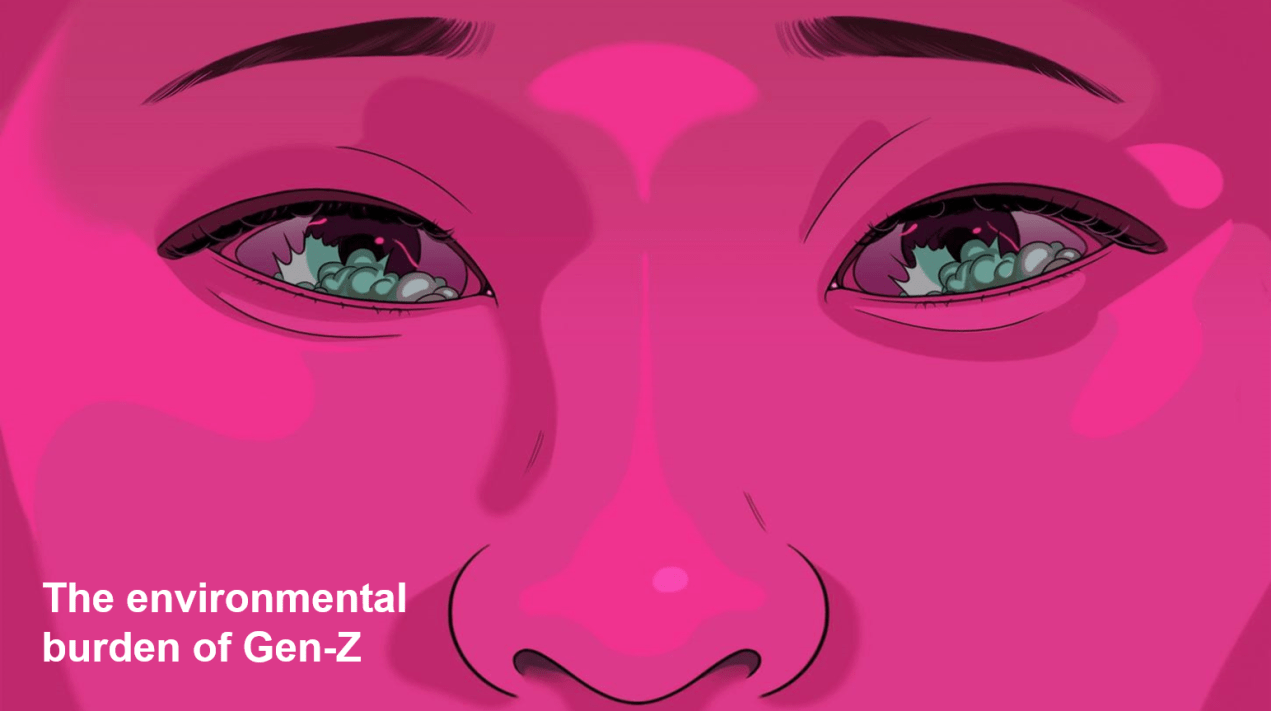
Washington Post the environmental burden of Gen-Z

The environmental burden of Gen-Z

Theory: a reasonable method of guessing someone’s age would probably be to ask them how seriously they take Great Barrier Reef obituaries[1]. I’m talking about climate change of course, for there can be few more prominent topics in marketing in 2020. Except maybe mental health? Well, sure, but for Generation Z, the two topics are so intrinsically linked that they’re essentially the same conversation.

This is an audience concern that will only grow in the coming years[2], and maybe all they’re looking for is hope. The Washington Post’s investigation, titled ‘The environmental burden of Generation Z’, is our Read of the Week.

Continue reading
Standard
Vox: ROTW 04022020 Why can't brands say Super Bowl?

Some American football took place

Whether you feel American Football needs its nationality qualifier or not, this week is undoubtedly one of the largest in the sporting calendar each year.

It’s also a tricky time for anyone working in content marketing. If your client is an official sponsor, there’s immense pressure to get it right of course. But for those of us whose brands want to unofficially acknowledge the momentous occasion without breaching guidelines, some more creative thinking is required[1].

Luckily, Vox – providing our Read of the Week – are here to give us the lowdown on what we are and are not allowed to say when it comes to major trademarked events. Are we all ready for this summer’s international football[2] tournament for European nations?

Continue reading
Standard

What TikTok and Byte are competing for

Here’s a morning shower thought we’ll inevitably regret: Is TikTok is the opposite of Clint Eastwood?[1] No? Well, let’s move on immediately.

If you haven’t guessed, we’re talking about short-form video today. Do you remember the first TikTok you ever saw? We’re betting[2] it was either on Instagram or Twitter. Video apps (and the creators on them) actually rely on being able to simply share to other platforms – perhaps even more than native reach within the app where they originally posted their content. So as Byte rises from the ashes of Vine like… like a phoenix with arboreal locomotion (???), FFWD consider how it will achieve success. All this and more in our Read of the Week.

Continue reading
Standard
ROTW 21012020 Matthew Ball: why gaming will take over

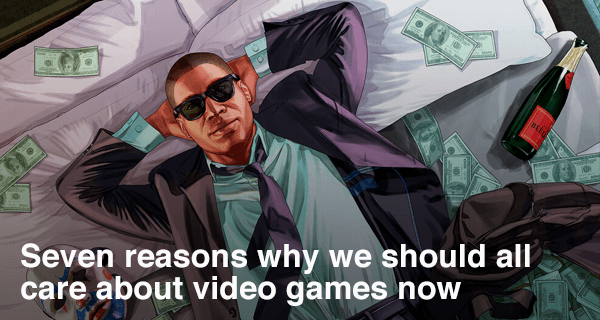
Seven reasons we should all care about video games

If a TV show can be watched on an enormous flatscreen or a smartphone, the definition of gaming is surely at least as broad – a scale of casual phone candy crushing to 4K killstreaks[1], perhaps.

Today, gaming in all its forms is more mainstream than it’s ever been – and increasingly interesting to advertisers and media buyers and content creators. I’m as guilty as anyone of half watching shows while I half pay attention to a second screen, but video games demand our full attention – which is perhaps why there’s an increased blurring of lines between watching and participation in the likes of Bandersnatch and Telling Lies.

Our Read of the Week from media analyst Matthew Ball covers this and more – it’s seven reasons why gaming is about to become the most important entertainment medium of all.

Continue reading
Standard
ROTW 14012020: The Guardian: How fitness app Strava became a religion

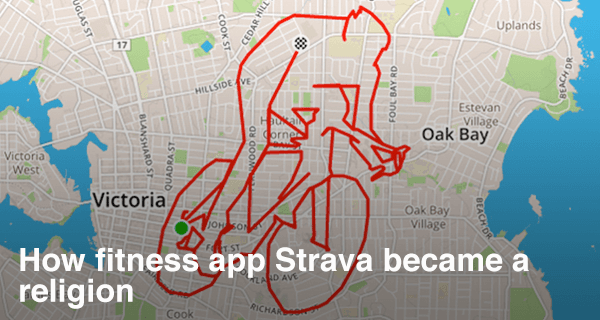
How Strava became a religion

19 January is known as Quitter’s Day. It is when most people who told themselves ‘New Year, New You’ on January 1st will officially give up on their self-improvement plans[1].

How do we know this? Strava data.

Founded in 2009, this social network for athletes (defined as ‘anyone who sweats’) gains 1 million new users every month. Strava gamified fitness, building communities of everyone from amateurs to ultra-competitive spirits. And we all lapped it up. To find out what makes Strava so compelling to so many people, check out our Read of the Week from The Guardian.

Oh, and hopefully the reverse psychology in Paragraph One worked. Don’t give up! We believe in you[2].

Continue reading
Standard