
What’s the most dangerous thing about self-isolation[1]? The quiet moments. In Japanese, to stare vacantly into the distance is called boketto. In Boro, asusu means to feel unknown and uneasy in a new place – though we never thought it would apply to our own homes. In English, rubatosis means an unsettling awareness of your own heartbeat. Unless your mental strength gauge is through the roof, maybe don’t look up the Czech word lítost[2].
The point is, distractions are useful and indeed necessary. We need the loud to go stop us from going insane in the quiet moments. So Disney+ could hardly have launched at a better time. Nintendo’s Ring Fit Adventure gamified home exercise and made it fun. And clearly everyone is only pretending nothing makes them feel less self-conscious than a video call – US retailer Walmart is reporting a surge in sales of clothes that cover the top half of the body[3].
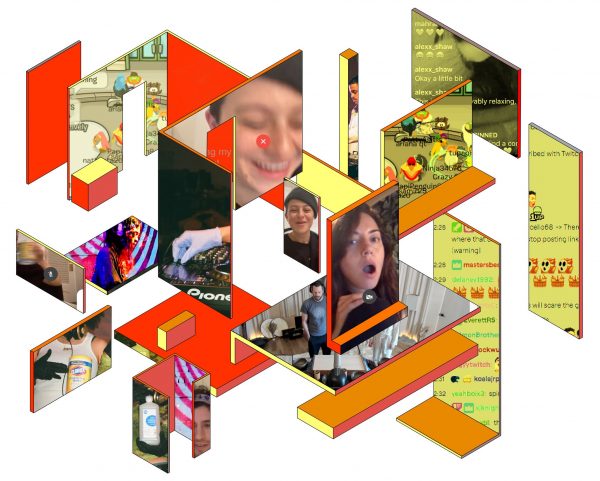
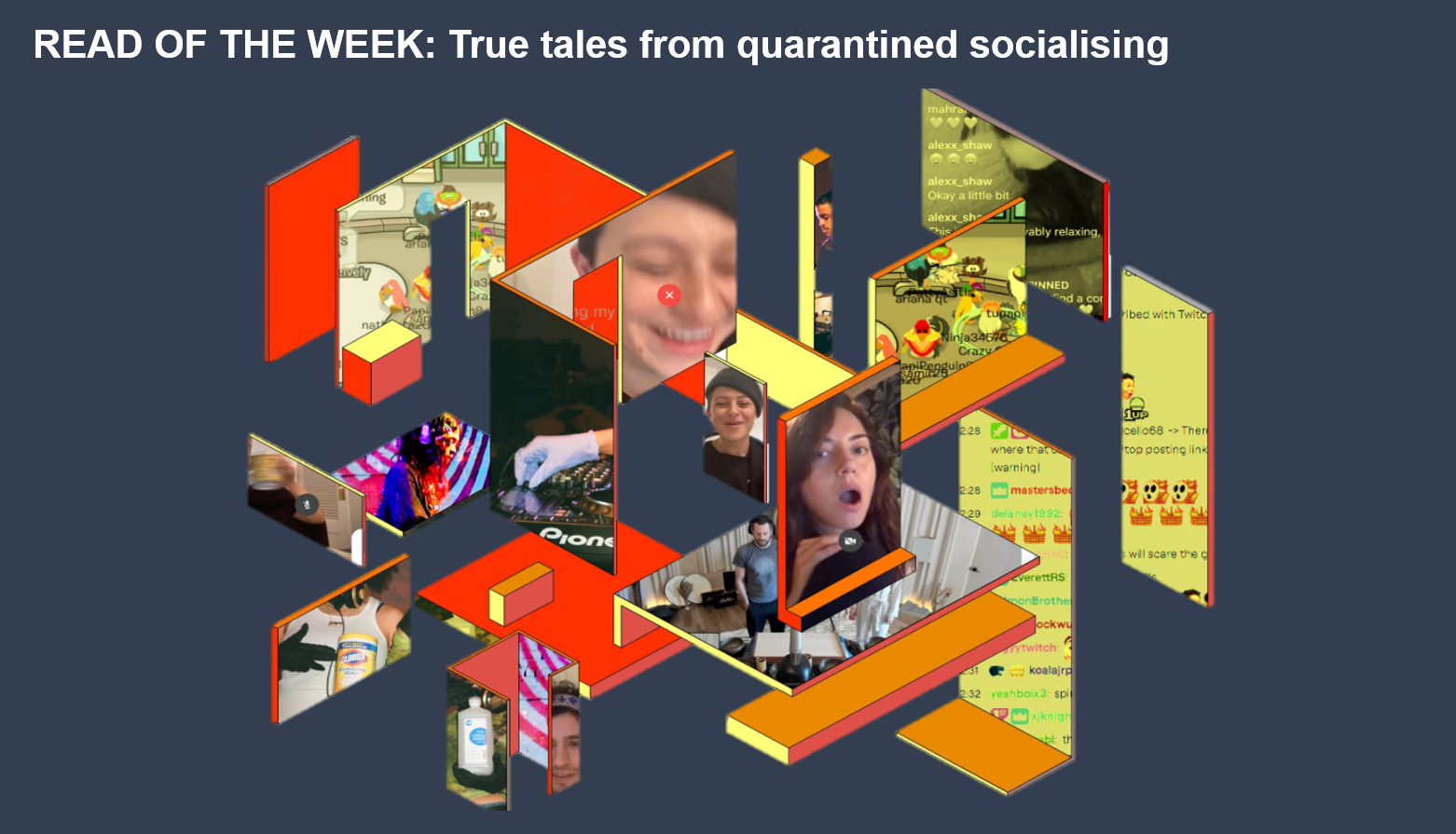
For this edition of abstracts, we wanted to focus on the ways that we’re all staying connected throughout this surreal period. That’s what our Read of the Week, from the New York Times, is all about. If content is the ultimate distraction from the everyday, perhaps these innovative bridges between people could inspire a part of your next proposal.
Once athletes undergo media training, all their interviews start to merge. But I’ll level with you: I’m not taking this game by game. In fact, I’m finding it really hard not to look ahead. How will our lives have changed when this is all over? Well, the Guardian wonders if we’ll all be working from home a lot more. The Verge reports that the internet is straining at its streaming tether, so maybe 5G can’t come soon enough[4]. And – assuming you’re reading this on 31st March wherever you are in the world – don’t expect any April Fools’ Day pranks from Google tomorrow. Even the world’s biggest search engine understands 2020 is enough of a joke already.
Elsewhere, a cautionary tale from Insider about the need to consider our audience at all times – even when posting home workouts to our social feeds. Vox highlights the DIY spirit a situation like this can foster, with thousands of homemade masks being sewn by average Americans solely connected by the internet. OneZero discusses the rise of medical professionals as influencers. And a brief video from Bellingcat explains how to recognise online disinformation and what signs to look out for.
Stay safe out there everyone. I too am looking forward to a future where our topics are a little more diverse.
READ OF THE WEEK: True Tales of Quarantined Socialising
[New York Times]
Covid-19 could cause permanent shift towards home working
[The Guardian]
The entire world is streaming more than ever — and it’s straining the internet
[The Verge]
Google cancels April Fools’ Day plans this year due to coronavirus
[Search Engine Journal]
How workout posts on social media could affect those with eating disorders
[Insider]
How DIYers are stepping up to fight coronavirus
[Vox]
Doctors find instant YouTube fame during the coronavirus
[OneZero]
WATCH: How the coronavirus disinformation system works
[Bellingcat]
[1] Importantly, nothing that follows this is as dangerous as the coronavirus. Hope you’re staying safe indoors.
[2] All this brain capacity and still we remember none of the useful words
[3] We kid you not
[4] No, we do not want to hear your 5G coronavirus conspiracy theory
 Adam W. Davies