
If a TV show can be watched on an enormous flatscreen or a smartphone, the definition of gaming is surely at least as broad – a scale of casual phone candy crushing to 4K killstreaks[1], perhaps.
Today, gaming in all its forms is more mainstream than it’s ever been – and increasingly interesting to advertisers and media buyers and content creators. I’m as guilty as anyone of half watching shows while I half pay attention to a second screen, but video games demand our full attention – which is perhaps why there’s an increased blurring of lines between watching and participation in the likes of Bandersnatch and Telling Lies.
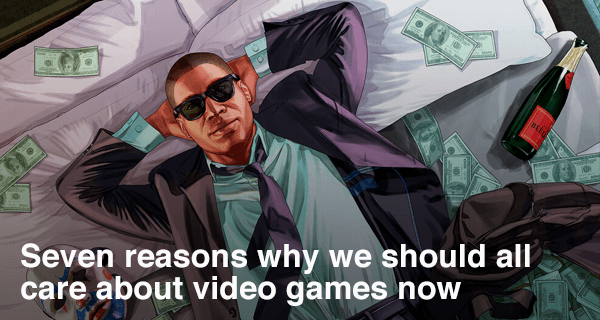
Our Read of the Week from media analyst Matthew Ball covers this and more – it’s seven reasons why gaming is about to become the most important entertainment medium of all.
At the dawn of the social media age, tech gurus posited that it signalled a context collapse. Instead of speaking in multiple ways to different social groups, we all found ourselves with a singular persona to all audiences. It’s fair to say things have moved on – today we share via dark social, tailor exactly who sees our social posts[2] and switch between finstas. On his Rough Type site, Nicholas Carr considers what the legacy of this social era will be, asking some interesting questions along the way.
READ OF THE WEEK: Seven reasons why video gaming will take over
[Matthew Ball]
From context collapse to content collapse
[Rough Type]
What 2030 will look like
[Quantumrun – general forecast here; future of the internet here]
WeChat’s new paywall function is the future of online content, even if it makes you angry
[Pandaily]
How Lego changed focus to target stressed adults
[Washington Post]
[1] Our twitch reflexes are beyond repair so we are sadly nowhere near the latter extreme
[2] Sorry parents – you’re not on the list
 Adam W. Davies